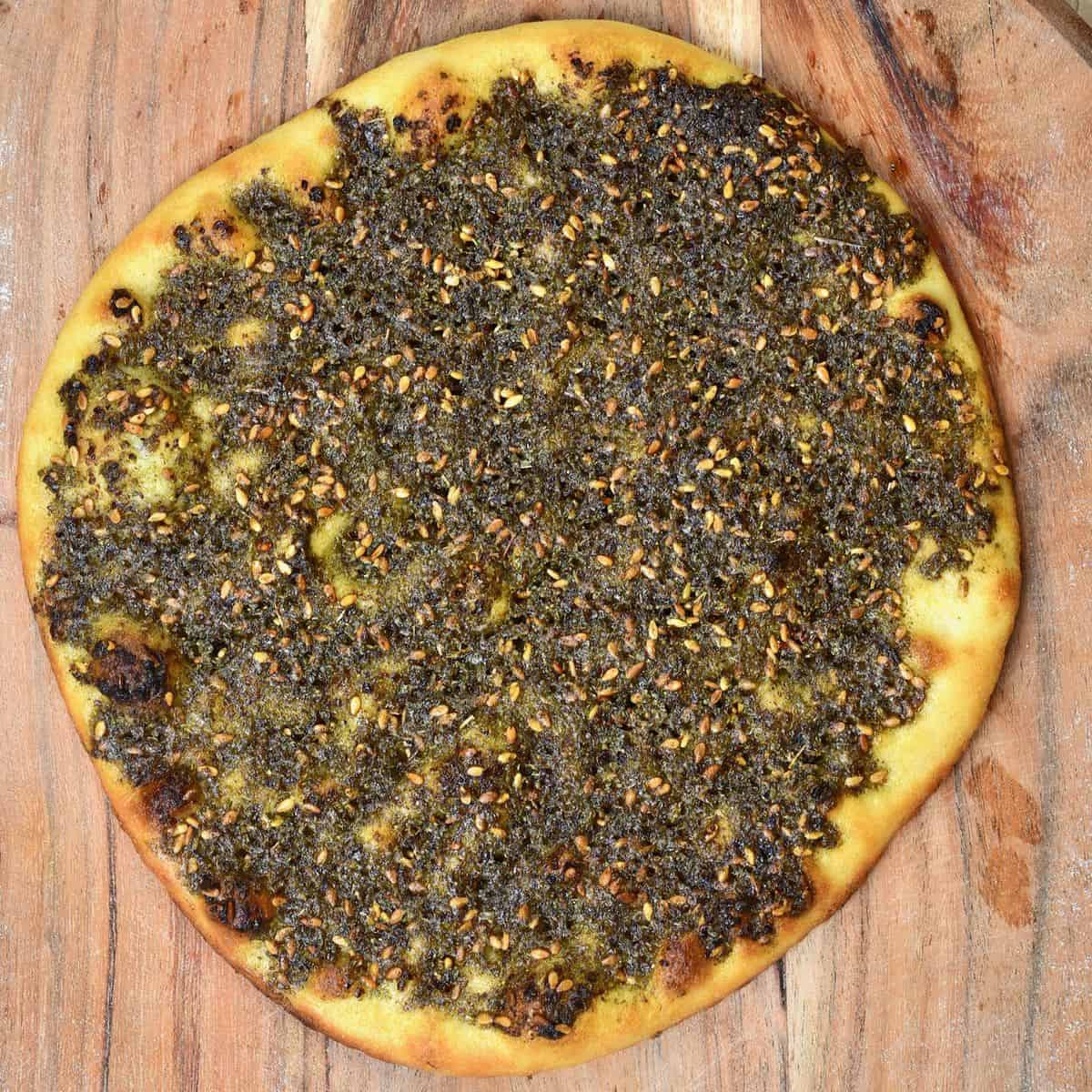
Discovering the Charm of Manakish Zaatar: A Middle Eastern Culinary Treasure
Imagine a warm, soft flatbread, fragrant with earthy herbs, tangy sumac, and nutty sesame seeds, all brought together by the rich smoothness of olive oil. This is the essence of
Manakish Zaatar, a beloved
Middle Eastern Zaatar bread that has captivated palates for generations. More than just a simple snack, Manakish Zaatar holds a special place in the hearts of many, evoking childhood memories of bustling bakeries and family gatherings. For those seeking an authentic taste of the Middle East, this versatile and utterly delicious flatbread is an absolute must-try.
Whether you know it as Zaatar bread, Manoushe, or Manakish, this delightful creation transcends its humble ingredients to offer an experience that is both comforting and exhilarating. Traditionally enjoyed across the Levant, particularly in Lebanese and Syrian cuisines, its popularity has now spread globally, finding its way into kitchens and bakeries far beyond its origins. What makes this flatbread so universally appealing? It's the harmonious blend of a tender dough with the distinctive, aromatic Zaatar spice mixed with olive oil, baked to perfection.
What Exactly is Zaatar Bread (Manakish Zaatar)?
At its core, **Zaatar bread**, commonly known as **Manakish Zaatar** (or Manoushe in its singular form), is a type of Middle Eastern flatbread adorned with a vibrant topping of Zaatar spice blend and olive oil. The name "Manakish" (sometimes spelled manoushe, manoush, manakeesh, manaeesh, or manaqish) is the plural form, referring to the many little "engravings" or impressions made on the dough, often to hold the topping. It shares a familiar kinship with pizza in its preparation – a simple dough is rolled flat, topped, and then baked at high heat for a short period, yielding a soft, flavorful, and often slightly crisp result.
This culinary staple is incredibly versatile and can be enjoyed at any time of day. While it's a quintessential breakfast item in the Middle East, often served hot alongside fresh vegetables, olives, and labneh (strained yogurt), it also makes for an excellent snack, appetizer, or a light lunch. Its convenience and satisfying flavor profile have made it a go-to choice for quick meals and casual dining. The simple yet profound taste often elicits comparisons to other beloved baked goods like pita bread or even a savory pancake, but with its own unique Middle Eastern twist.
The Many Faces and Names of This Middle Eastern Flatbread
The rich history and widespread enjoyment of this flatbread are reflected in its many names and regional variations. While Zaatar bread is its popular English designation, "Manoushe" (singular) and "Manakish" (plural) are the most common Arabic terms. This linguistic diversity highlights its deep cultural roots and pervasive presence throughout the Middle East. Beyond the classic Zaatar topping, Manakish can also be found with other savory additions, such as cheese (Jibneh), minced meat (Lahm bi Ajeen), or even spinach (Fatayer), showcasing the remarkable versatility of its foundational dough. However, it's the Zaatar iteration that remains the most iconic and widely cherished.
The Mystique of Zaatar: The Spice Blend at the Heart of Manakish
The undeniable star of Zaatar bread is, without a doubt, the Zaatar spice blend itself. This incredibly aromatic and complex mixture is not merely a seasoning; it's a cultural icon, celebrated for its unique flavor and believed health benefits. While its exact composition can vary slightly from region to region, and even from household to household, the core ingredients typically include:
* **Sumac:** Providing a distinctive tangy, lemony note.
* **Thyme:** Lending an earthy, herbaceous depth.
* **Sesame Seeds:** Adding a delicate crunch and nutty flavor.
Optional additions might include oregano, cumin, or marjoram, further enhancing its aromatic profile. Some blends lean more heavily on the green herbs, while others emphasize the tartness of sumac or the nutty richness of sesame. Many home cooks pride themselves on their personal Zaatar blend, often passed down through generations. When combined with good quality olive oil, Zaatar transforms into a rich, fragrant paste that infuses the flatbread with an unforgettable flavor – a true symphony for the senses.
The quality of your Zaatar spice directly impacts the flavor of your **Middle Eastern Zaatar bread**. If you have access to a Middle Eastern grocery store, you’ll find authentic blends. Alternatively, making your own at home allows for customization and ensures freshness. For example, a homemade blend combining sumac, oregano, sesame seeds, and perhaps a touch of thyme, can create a truly unparalleled zaatar experience, turning a simple flatbread into a culinary masterpiece that truly impresses.
From Childhood Nostalgia to Global Delight: The Enduring Appeal of Zaatar Bread
For many who grew up in the Middle East, Manakish Zaatar isn't just food; it's a profound connection to their heritage and childhood. The memory of rushing to the local Lebanese bakery, the intoxicating aroma of freshly baked Zaatar bread filling the air, or the joy of a homemade batch prepared by family, are cherished recollections. This nostalgia is a powerful testament to the dish's comforting and celebratory role within families and communities.
The journey of Zaatar bread from a regional delicacy to an internationally recognized favorite is also a fascinating story of cultural exchange. In recent years, its presence has grown significantly in Western countries, partly due to increased migration and a broader appreciation for diverse cuisines. Instances like Syrian refugees preparing Manakish for village celebrations in Austria beautifully illustrate how food acts as a bridge, introducing cultures and fostering understanding. It’s a delicious form of integration, making dishes like Zaatar bread increasingly common and loved worldwide.
The Versatility and Comfort of Manakish
Beyond its cultural significance, the practicality and versatility of Manakish Zaatar contribute significantly to its enduring appeal. Its simple ingredient list – usually just 7 ingredients from scratch for the dough and topping – combined with a relatively quick hands-on preparation time (often under 20 minutes), makes it an accessible dish even for novice bakers. The aroma of fresh Zaatar bread baking in the oven is, for many, the ultimate "cozy" homey smell, instantly creating an atmosphere of warmth and comfort. This alone is a compelling reason to embrace making it at home.
Crafting Your Own Zaatar Manakish: Tips for the Home Baker
While professional bakeries certainly offer incredible **zaatar manakish**, there's a unique satisfaction and superior freshness that comes from baking it yourself. The recipe and method are surprisingly simple, making it an ideal project for home cooks looking to explore Middle Eastern cuisine.
Key Ingredients and Their Importance
* **Flour:** A good quality all-purpose flour typically works well for the dough, yielding a soft and tender texture.
* **Yeast:** Essential for the flatbread's rise and characteristic chewiness.
* **Olive Oil:** Not just for the topping, a little olive oil in the dough adds richness and helps with texture. For the topping, use extra virgin olive oil for the best flavor.
* **Zaatar Spice Blend:** As discussed, the quality of your Zaatar is paramount. Source a reputable blend or create your own.
Mastering the Dough and Topping
One of the most appealing aspects of Manakish dough is its versatility. It's often described as an "all-purpose dough" due to its adaptability. You can use it for various flatbreads, savory pies like Fatayer (Lebanese spinach pies), or even other sweet applications if you adjust the sugar content. The key to a soft, pliable dough is proper kneading and sufficient proofing time.
For the topping, the ratio of Zaatar to olive oil is crucial. You want a thick, spreadable paste – not too dry, nor too oily. A good starting point is usually a 1:1 or 2:1 ratio of Zaatar to olive oil, but feel free to adjust to your preferred consistency. Spreading this mixture evenly over the rolled-out dough ensures every bite is packed with flavor.
Baking for Perfection
Manakish bakes best in a hot oven, mimicking the conditions of a traditional brick oven. A high temperature (around 450-500°F or 230-260°C) for a short period (typically 5-10 minutes) helps the dough puff up and cook through quickly, resulting in a beautifully tender flatbread with a slightly crisp edge. Keep an eye on it to prevent burning, especially the sesame seeds in the Zaatar topping.
Once baked, serve your **middle eastern zaatar bread** immediately while it's still warm. This is when its flavors and textures are at their peak. It pairs wonderfully with a cup of hot tea, fresh mint, or a simple side of cucumbers and tomatoes. Making Zaatar bread at home isn't just about cooking; it's about creating an experience – one that brings the delicious smells and tastes of the Middle East right into your kitchen.
In conclusion, Zaatar bread, or Manakish Zaatar, is far more than just a flatbread; it's a testament to the rich culinary heritage of the Middle East. With its intoxicating aroma, vibrant flavors, and incredible versatility, it offers a simple yet profound gastronomic delight. Whether you're savoring it as a quick breakfast, a delightful snack, or sharing it with loved ones, this beloved Lebanese flatbread promises a taste experience that is both authentic and deeply satisfying. So, roll up your sleeves, gather your ingredients, and embark on a delicious journey to discover the magic of homemade **Manakish Zaatar**.