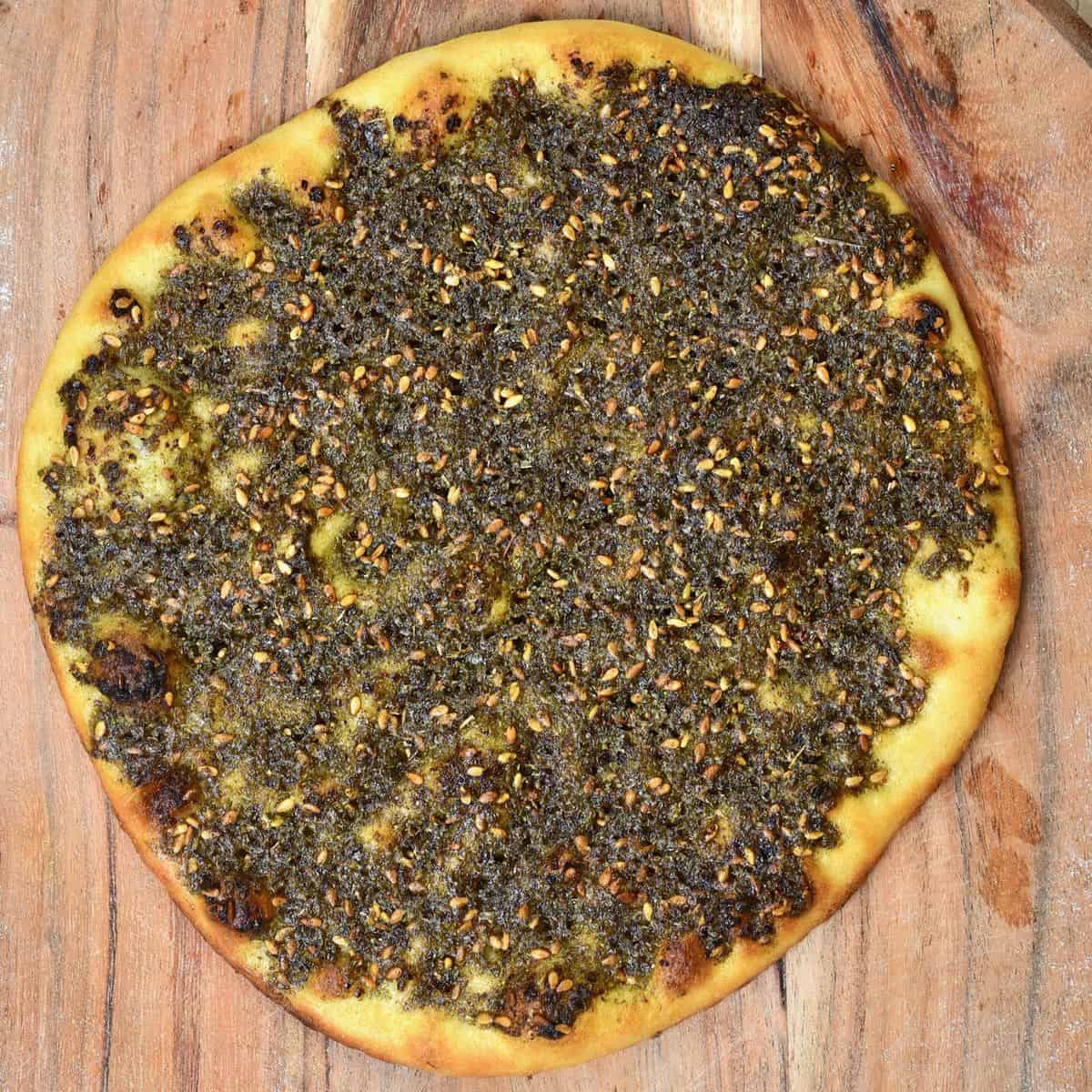
Zaatar Manakish: Unlock the Flavor of Middle Eastern Spice in a Simple Flatbread
Imagine waking up to the irresistible aroma of freshly baked bread, warm from the oven, with a distinctive, earthy, and tangy scent that promises a delightful culinary journey. This is the essence of Zaatar Manakish, a beloved
Middle Eastern Zaatar bread that has charmed palates for generations. More than just a flatbread, Manakish Zaatar is a culinary institution, a simple yet profoundly flavorful dish that embodies the heart of Middle Eastern hospitality and taste. Whether you call it Manoushe, Manakeesh, or simply Zaatar bread, this delectable creation offers a unique blend of spices and textures that transforms a basic dough into an extraordinary experience.
From bustling Lebanese bakeries to cozy Syrian kitchens, the sight and smell of Manakish Zaatar evoke fond memories and a sense of home. For many, like the personal accounts shared in the reference context, it's a nostalgic taste of childhood, a treat eagerly anticipated and savored. As adults, rediscovering the joy of making this dish from scratch often comes as a revelation – a surprisingly simple process that yields incredibly rewarding results, filling your home with an aroma that instantly transports you to the vibrant streets of the Levant.
What Exactly is Zaatar Manakish? The Beloved Middle Eastern Flatbread
At its core,
Manakish Zaatar is a soft, tender flatbread, generously adorned with a vibrant mixture of aromatic zaatar spice and rich olive oil, then baked to perfection. Often likened to a "Middle Eastern pizza," its simplicity belies a complexity of flavors that makes it utterly addictive. The dough, typically thin and pliable, acts as the perfect canvas for the star of the show: the zaatar topping.
While "Manakish" is the plural form referring to multiple flatbreads, you might hear it called "Man'ousheh" for a single serving, or simply "
Zaatar bread." This versatile dish holds a special place in Lebanese and Syrian cuisines, but its popularity extends across the entire Middle East, making it a staple for breakfast, a quick snack, or a delightful appetizer. Its growing presence in Europe and beyond speaks volumes about its universal appeal and the desire for authentic, heartwarming flavors.
If you're a fan of comforting baked goods like pizza, pita, or other Mediterranean delicacies, you are destined to fall in love with Manakish. It offers a unique texture – soft and chewy on the inside, with slightly crisp edges – paired with a deeply savory and tangy flavor profile. To learn more about its cultural significance and how it became such a staple, explore
Discover Zaatar Bread: The Beloved Lebanese Manakish Flatbread You Must Try.
Unlocking the Magic: The Zaatar Spice Blend
The soul of
Zaatar Manakish lies in its namesake spice blend – zaatar. This isn't a single spice but a meticulously crafted mixture that varies subtly from region to region, and even from family to family. However, certain core ingredients define its characteristic taste and aroma:
*
Sumac: This burgundy-colored spice, derived from dried and ground berries, provides a distinctive tangy, lemony flavor that is crucial to zaatar's bright profile.
*
Thyme: Aromatic and earthy, dried thyme forms the herbaceous backbone of the blend, offering a fragrant depth.
*
Sesame Seeds: Toasted sesame seeds contribute a delightful nutty flavor and a satisfying crunch, adding texture to the mix.
Beyond these staples, many zaatar blends incorporate other fragrant herbs such as oregano and marjoram, or even a hint of cumin for added warmth. The beauty of zaatar is its adaptability; whether you buy a quality store-bought blend or craft your own from scratch, the objective is a harmonious balance of tangy, herbal, and nutty notes.
When preparing Manakish, this dry zaatar spice is combined with high-quality extra virgin olive oil. The oil not only binds the spices together, creating a spreadable paste, but also amplifies their flavors, allowing them to infuse the flatbread as it bakes. It also contributes to the bread's tender interior and slightly crispy crust. This simple combination is what transforms an ordinary flatbread into an extraordinary feast for the senses.
Why Embark on Your Own Homemade Manakish Journey?
You might wonder, with local bakeries often offering Manakish at affordable prices, why bother making it yourself? The answer, as many home bakers discover, is multifaceted and deeply rewarding:
1.
The Unmatched Aroma: As referenced, the smell of fresh
Zaatar bread baking in your oven is truly one of the most comforting, "cozy homey smells" imaginable. It instantly transforms your kitchen into a warm, inviting space, filled with anticipation.
2.
Surprising Simplicity: Don't be intimidated! Creating this traditional flatbread from scratch is surprisingly straightforward. Many recipes boast as few as 7 ingredients and just 20 minutes of hands-on preparation. The process is more about assembly than complex culinary techniques.
3.
The Versatility of the Dough: The Manakish dough itself is incredibly adaptable. Once you master a basic, soft flatbread dough, you've unlocked a world of possibilities. It can be used for other savory pastries, homemade pita, or even a simple cheese-topped flatbread. Think of it as an all-purpose dough that will serve you well in many Middle Eastern-inspired dishes.
4.
Authentic Flavor, Custom Control: While bakery versions are delicious, making your own allows you to control the quality of ingredients, from the olive oil to the freshness and blend of your zaatar. You can adjust the tanginess, earthiness, or nuttiness to perfectly suit your palate, creating a truly personalized
Middle Eastern Zaatar bread experience.
5.
A Taste of Culture: Preparing Manakish is more than just cooking; it's an immersion into a rich culinary tradition. It connects you to generations of home cooks who have kneaded, topped, and baked this beloved flatbread, sharing warmth and flavor with their families.
For a detailed guide on how to get started, including dough recipes and topping instructions, make sure to check out
Easy Authentic Manakish Zaatar: Your Homemade Middle Eastern Flatbread Guide.
Tips for Crafting Your Perfect Manakish Zaatar
Bringing the authentic taste of
Zaatar Manakish into your home is an achievable and immensely satisfying endeavor. Here are a few tips to ensure your homemade flatbreads are nothing short of spectacular:
*
The Dough is Key: Whether you opt for a simple pizza dough or a dedicated flatbread recipe, ensure it's soft, pliable, and well-rested. This allows it to stretch easily and results in a tender, airy crumb. Don't overwork the dough; a gentle touch is best.
*
Quality Zaatar and Olive Oil: Since these are the star ingredients, invest in a high-quality zaatar blend and a good extra virgin olive oil. The difference in flavor will be noticeable. If possible, source your zaatar from a Middle Eastern grocery store for a more authentic blend.
*
Achieve the Right Topping Consistency: Mix your zaatar with olive oil until it forms a thick, spreadable paste – not too dry, and not too oily. You want it to adhere well to the dough without pooling. A good ratio is often 1 part zaatar to 1 part olive oil, but adjust to your preference.
*
High Heat, Short Bake: Manakish Zaatar bakes best in a very hot oven (around 450-500°F or 230-260°C) for a short period (5-8 minutes). This high heat quickly puffs up the dough, cooks the topping, and creates those desirable slightly crispy edges while keeping the center soft. Preheat your oven and baking stone/sheet thoroughly.
*
Serve Immediately: Manakish is best enjoyed fresh from the oven, while still warm and fragrant. Its softness and the vibrant flavor of the zaatar are at their peak.
Serving Suggestions for Your Homemade Manakish:
*
Breakfast Feast: Pair it with fresh vegetables like sliced cucumbers, tomatoes, and sprigs of fresh mint. Add olives, creamy labneh (strained yogurt), and a hot cup of tea for a traditional Middle Eastern breakfast spread.
*
Light Lunch or Snack: Enjoy it on its own, perhaps with a squeeze of fresh lemon juice to brighten the flavors even further.
*
Appetizer: Cut into wedges and serve alongside hummus, baba ghanoush, or other dips at your next gathering.
*
With a Meal: It makes an excellent accompaniment to grilled meats, stews, or a fresh, crisp salad.
Conclusion: Embrace the Flavor of the Middle East
Zaatar Manakish is more than just a simple flatbread; it's an invitation to explore the rich, vibrant flavors of the Middle East from the comfort of your own kitchen. Its ease of preparation, captivating aroma, and irresistible taste make it a worthwhile addition to any home cook's repertoire. By unlocking the secrets of the
zaatar spice blend and understanding the simple techniques involved, you can recreate this beloved dish and experience the warmth and tradition it embodies. So, gather your ingredients, preheat your oven, and prepare to fill your home with the enchanting scent of authentic
Middle Eastern Zaatar bread – a truly flavorsome journey awaits!