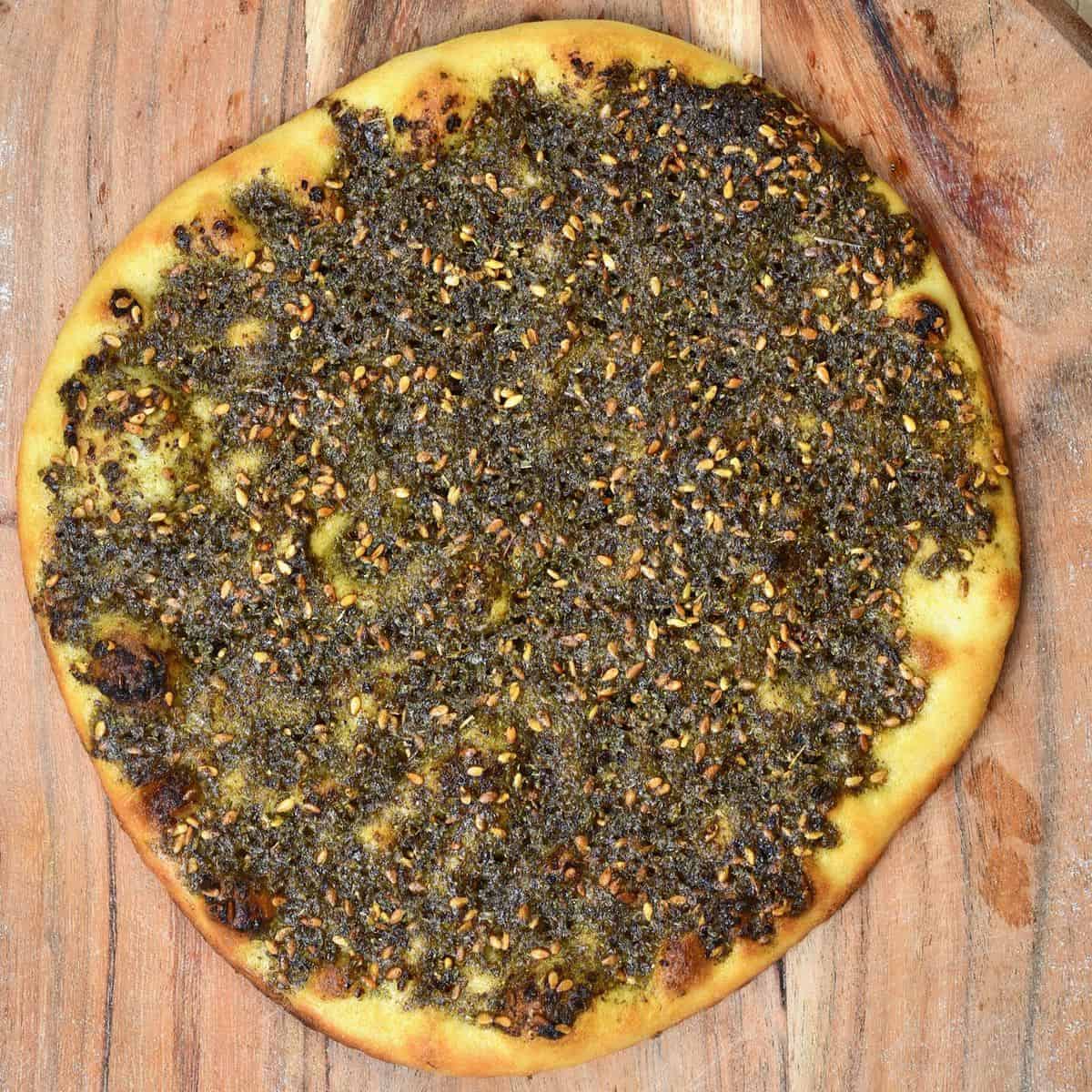
Craving a taste of the Middle East that’s both vibrant and comforting? Look no further than
middle eastern zaatar bread manakish zaatar. This iconic flatbread, also known as Manousheh or Zaatar Manakish, is a cherished staple across the Levant, beloved for its soft, tender texture and an intensely aromatic topping of zaatar spice blended with rich olive oil. It’s a dish that evokes warmth, family, and tradition – and the best part? It’s surprisingly simple to recreate in your own kitchen. Forget the myth that authentic Middle Eastern baking is complex; with just a handful of ingredients and minimal hands-on time, you can bring the irresistible aroma and flavour of freshly baked zaatar flatbread right to your home.
What is Manakish Zaatar? A Beloved Middle Eastern Culinary Icon
At its heart,
Manakish Zaatar is a delectable flatbread crowned with a flavorful paste made from the distinctive zaatar spice blend and olive oil. Often described as the Middle Eastern "pizza," it offers a unique culinary experience that’s both satisfying and endlessly appealing. The singular form,
Man'ousheh, refers to one piece, while
Manakish (or Manakeesh, Manaeesh, Manaqish) is the plural. Though commonly associated with Lebanese and Syrian cuisines, its popularity spans the entire Middle East, making it a truly universal favourite.
Traditionally enjoyed hot from the oven, Manakish is a quintessential part of many Middle Eastern breakfasts, often served alongside fresh vegetables, olives, and labneh (strained yogurt). However, its versatility means it’s equally cherished as a quick snack, a delightful appetizer, or a flavourful accompaniment to any meal. The experience of biting into a warm, soft piece of
zaatar flatbread, with its tangy, earthy, and nutty notes, is a simple pleasure that transcends cultural boundaries. If you're eager to delve deeper into the origins and cultural significance of this beloved dish, you can
Discover Zaatar Bread: The Beloved Lebanese Manakish Flatbread You Must Try.
The Heart of the Flavor: Understanding Zaatar
The undisputed star of
Manakish Zaatar is, of course, the zaatar spice blend itself. This isn't just any seasoning; it's a meticulously crafted mix of herbs and seeds that delivers a complex flavour profile – tangy, earthy, slightly peppery, and nutty. The foundational components of zaatar typically include:
- Sumac: Provides a distinctive tart, lemony tang and a beautiful reddish hue.
- Thyme: Contributes an earthy, slightly minty, and robust herbal note.
- Sesame Seeds: Adds a delightful nutty crunch and depth of flavour.
Beyond these core ingredients, regional variations often incorporate other herbs like oregano, marjoram, and sometimes even a touch of cumin. The exact blend can vary from one village to another, or even from one household to the next, giving each zaatar its unique character.
Many Middle Eastern food enthusiasts, ourselves included, find immense satisfaction in blending their own zaatar. This allows for customization, ensuring the perfect balance of flavours to suit personal preference. However, high-quality pre-blended zaatar is also widely available and can certainly yield a fantastic result. When combined with good quality extra virgin olive oil, this humble spice blend transforms into a fragrant, vibrant paste that not only bakes beautifully but also infuses the flatbread with an unforgettable aroma. For an in-depth look into this incredible spice blend and its role in culinary magic,
Zaatar Manakish: Unlock the Flavor of Middle Eastern Spice in a Simple Flatbread.
Why Homemade Middle Eastern Zaatar Bread is a Game-Changer
For many, the thought of baking traditional bread from scratch can feel daunting. But when it comes to
homemade Middle Eastern flatbread like Manakish, the process is surprisingly straightforward and incredibly rewarding. Here’s why making it yourself is an experience you shouldn’t miss:
Simplicity Redefined:
Contrary to popular belief, authentic Manakish Zaatar requires just a few basic ingredients – often as few as seven for the dough and topping combined. The hands-on prep time is remarkably short, often around 20 minutes, making it an accessible baking project even for beginners or on busy weekdays.
The Aroma of Home:
There’s something uniquely comforting about the smell of freshly baked bread. The rich, herby aroma of zaatar baking in the oven is truly one of the most inviting "cozy homey smells" imaginable. It instantly transports you, filling your kitchen with an intoxicating fragrance that promises deliciousness.
Authenticity at Your Fingertips:
While bakeries and takeaways offer convenient options, there’s an unparalleled joy in recreating an authentic flavour profile yourself. Whether you’re reliving cherished childhood memories of visiting a Lebanese bakery or discovering this incredible flavour for the first time, crafting your own
zaatar manakish offers a genuine connection to its rich culinary heritage.
Unrivaled Freshness:
Nothing quite compares to bread straight out of the oven. The soft, tender texture of the flatbread, combined with the warm, fragrant zaatar topping, is an experience that simply can't be replicated by pre-packaged or even day-old versions.
Versatility of the Dough:
One of the hidden gems of this recipe is the incredible versatility of the dough. It’s an "all-purpose dough" in every sense, making it a fantastic foundation for more than just zaatar bread. You can use it for various other Middle Eastern delights like Fatayer (spinach pies), cheese-filled pastries, or even as a base for other savoury toppings, showcasing its adaptability.
Cost-Effective Indulgence:
Enjoying this gourmet flavour at home is far more economical than frequent trips to a specialty bakery or takeaway. You get to control the quality of ingredients and prepare a generous batch for a fraction of the cost.
Your Guide to Crafting the Perfect Manakish Zaatar
Creating your own
middle eastern zaatar bread manakish zaatar is a delightful journey. Here’s a breakdown of the essentials for success:
Essential Ingredients:
- The Dough: A simple combination of all-purpose flour, active dry yeast, a pinch of sugar (to activate the yeast), salt, warm water, and a generous splash of olive oil. The key is to achieve a soft, pliable, and slightly sticky dough that yields a tender flatbread.
- The Zaatar Mix: Your chosen zaatar blend (homemade or high-quality store-bought) mixed with extra virgin olive oil. The ratio is crucial – you want a thick, spreadable paste, not a watery liquid. A common starting point is a 1:1 ratio of zaatar to olive oil, adjusting as needed.
The Process:
- Dough Preparation: Combine dry ingredients, then gradually add warm water and olive oil. Knead until smooth and elastic, either by hand or with a stand mixer. Allow the dough to proof in a warm place until doubled in size – this typically takes an hour or so, but don’t rush it.
- Shaping: Once proofed, gently punch down the dough and divide it into small, uniform balls. On a lightly floured surface, roll each ball into a thin, round flatbread, roughly 6-8 inches in diameter. Aim for a thickness similar to a thin pizza crust.
- Topping: Liberally spread the zaatar and olive oil mixture over each flatbread, leaving a small border around the edges. Don't be shy; the zaatar is the star!
- Baking: Preheat your oven to a high temperature (e.g., 450-500°F or 230-260°C). This high heat is vital for achieving that signature soft interior with slightly crisp edges, similar to how pizzas are baked. Bake the Manakish for a short time, typically 5-8 minutes, until the edges are golden brown and the zaatar is fragrant and bubbling.
Tips for Success:
- Warm Water for Yeast: Ensure your water is warm (around 105-115°F / 40-46°C) to properly activate the yeast.
- Don't Over-Knead: While kneading is important for gluten development, over-kneading can result in a tough flatbread. Knead until smooth and elastic, then let it rest.
- Use Good Quality Olive Oil: The flavour of the olive oil significantly impacts the overall taste of your Manakish.
- Don't Overload the Topping: While generous, ensure the zaatar paste isn't too thick, which can make the bread soggy.
- Bake Hot and Fast: High heat is key to a perfectly puffed and tender flatbread.
Embrace the joy of baking and the rich flavours of the Middle East by making your own
easy authentic Manakish Zaatar. This delightful
middle eastern zaatar bread manakish zaatar is more than just a recipe; it’s an invitation to experience a culinary tradition, fill your home with incredible aromas, and share a truly comforting dish with loved ones. Its simplicity, versatility, and sheer deliciousness make it an essential addition to any home baker’s repertoire. Don't wait – dive in and discover the magic of homemade zaatar flatbread today!